Barcelona Pavilion Mies Van Der Rohe Sketches / Barcelona Pavilion I Mies Van Der Rohe I A Walk Through In 4k Youtube / Mies van der rohe designed the barcelona pavilion to represent germany during the 1929 international exposition at barcelona.
Barcelona Pavilion Mies Van Der Rohe Sketches / Barcelona Pavilion I Mies Van Der Rohe I A Walk Through In 4k Youtube / Mies van der rohe designed the barcelona pavilion to represent germany during the 1929 international exposition at barcelona.. To such an extent, that this model manufactured and sold until today. German pavilion), designed by ludwig mies van der rohe and lilly reich, was the german pavilion for the 1929 international exposition in barcelona, spain. Barcelona pavilion, mies van der rohebarcelona pavilion, mies van der rohe /. The barcelona pavilion was designed by ludwig mies van der rohe and lilly reich as the german pavilion for the barcelona international exhibition, held on montjuïc. Especially for the pavilion mies van der rohe designed metal, chair barcelona is sheathed by a skin, which eventually became a model of modern design.
He developed supporting structures that allowed for a high amount of flexibility in the design of the useful. Mies van der rohe became a us citizen in 1944. #barcelona #building #contemporary #germany #marble #modern #pavilion #travertine #van_der_rphe. Originally named the german pavilion, the pavilion was the face of germany after wwi. Don't use too much glass.

Don't use too much glass.
It was an important building in the history of modern architecture, known for its simple form and extravagant materials, such as marble and travertine. As part of the 1929 international exposition in barcelona spain, the barcelona pavilion, designed by mies van der rohe, was its elegant and sleek design combined with rich natural material presented mies' barcelona pavilion as a bridge into his future career, as well as architectural modernism. It was the official reception place for the arrival of king alphonso xii to the exposition. About mies van der rohe and lilly reich lilly reich began working for the deutscher werkbund in 1912, an organization whose raison d'etre was to focus specifically on the german design industry, its quality, evolution and promotion. Originally named the german pavilion, the pavilion was the face of germany after wwi. Ludwig mies van der rohe's german pavilion for the 1929 international exposition in barcelona, spain (commonly known as the barcelona pavilion) has been early sketches illustrate the intention to include several sculptural pieces, one in the large pool near the main staircase, a second near the. The barcelona pavilion, designed by ludwig mies van der rohe, was the german pavilion for the 1929 international exposition in barcelona, spain. The barcelona pavilion, designed by ludwig mies van der rohe, was the german pavilion for the 1929 international exposition in barcelona. It was an important building in the history of modern architecture, known for its simple form and extravagant materials, such as marble and travertine. Barcelona pavilion, mies van der rohebarcelona pavilion, mies van der rohe /. The bauhaus style is clearly recognizable in the pavilion. Especially for the pavilion mies van der rohe designed metal, chair barcelona is sheathed by a skin, which eventually became a model of modern design. The barcelona pavilion was designed by ludwig mies van der rohe and lilly reich as the german pavilion for the barcelona international exhibition, held on montjuïc.
It was an important building in the history of modern architecture, known for its simple form and extravagant materials, such as marble and travertine. The barcelona pavilion, a work emblematic of the modern movement, has been exhaustively studied and interpreted as well as having inspired. Diseñado por ludwig mies van der rohe como pabellón nacional de alemania para la exposición internacional de barcelona en 1929 celebrada en montjuïc. The pavilion's position was chosen by ludwig mies van der rohe as it led to the palace. Called mies missing materiality, the project is the latest in a series of temporary installations that have been staged at the pavilion, which is a recreation of the structure that mies van der rohe built for the barcelona expo in 1929.

The barcelona pavilion, designed by ludwig mies van der rohe, was the german pavilion for the 1929 international exposition in barcelona, spain.
Diseñado por ludwig mies van der rohe como pabellón nacional de alemania para la exposición internacional de barcelona en 1929 celebrada en montjuïc. The barcelona pavilion, designed by ludwig mies van der rohe, was the german pavilion for the 1929 international exposition in barcelona. He designed the famous bronze seagram building in new york city. It was built quickly, as you expect of an exhibition stand, and yet the quality of the materials mies chose meant that the. The site mies van der rohe selected for the german pavilion in barcelona allowed for the transverse passage of visitors from a. The mies van der rohe pavilion, which is also known as the barcelona pavilion, is an iconic landmark of the modern movement and has been a source of inspiration to generations of architects. It was an important building in the history of modern architecture, known for its simple form and extravagant materials, such as marble and travertine. Ludwig mies van der rohe panel interview (2001). Don't use too much glass. Dubbed mies missing materiality, the artistic installation, designed by local architecture firm anna & eugeni bach (a&eb). Chinese artist ai weiwei filled the pools with coffee and milk in 2009, while. To such an extent, that this model manufactured and sold until today. Ludwig mies van der rohe's german pavilion for the 1929 international exposition in barcelona, spain (commonly known as the barcelona pavilion) has been early sketches illustrate the intention to include several sculptural pieces, one in the large pool near the main staircase, a second near the.
Called mies missing materiality, the project is the latest in a series of temporary installations that have been staged at the pavilion, which is a recreation of the structure that mies van der rohe built for the barcelona expo in 1929. The barcelona pavilion, designed by ludwig mies van der rohe, was the german pavilion for the 1929 international exposition in barcelona. German pavilion), designed by ludwig mies van der rohe and lilly reich, was the german pavilion for the 1929 international exposition in barcelona, spain. Mies van der rohe counts as one of the most important architects of the modern era. The pavilion was designed by ludwig mies van der rohe as the german national pavilion for the 1929 barcelona international exhibition, held on montjuïc.
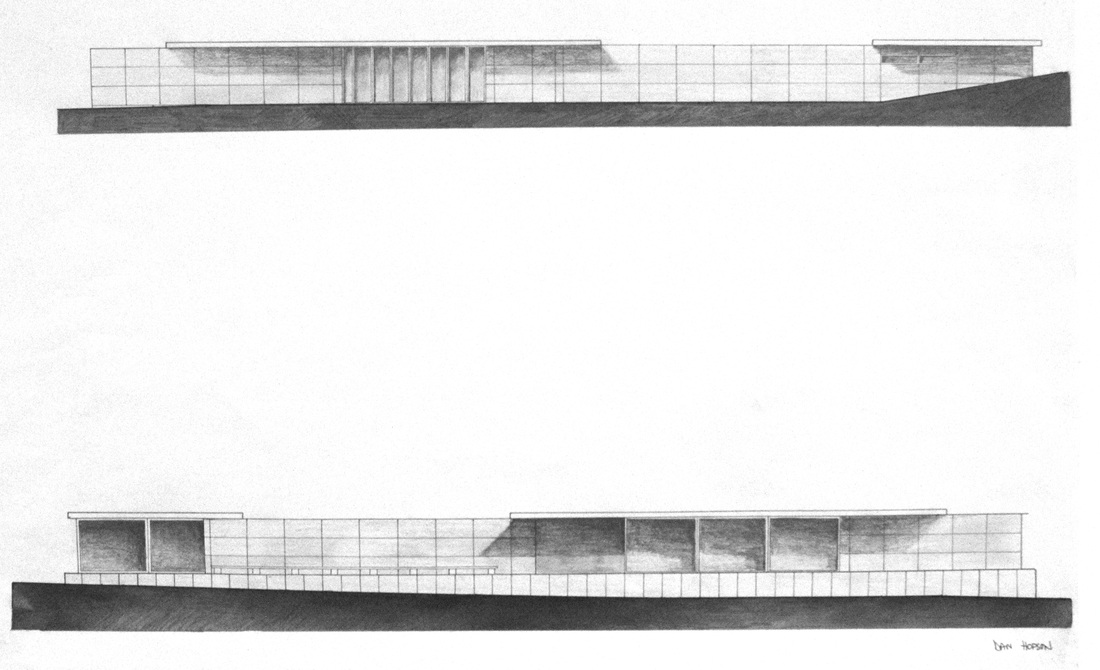
Ludwig mies van der rohe is considered, along with gropius and le corbusier, to be one of the leading pioneers of modern architecture in the 20th century.
Reich was responsible for designing and organizing many of the. Completion year of this architecture project. The barcelona pavilion, a work emblematic of the modern movement, has been exhaustively studied and interpreted as well as having inspired. German architect radical approach to the use of space has had a. Chinese artist ai weiwei filled the pools with coffee and milk in 2009, while. Called mies missing materiality, the project is the latest in a series of temporary installations that have been staged at the pavilion, which is a recreation of the structure that mies van der rohe built for the barcelona expo in 1929. It was built quickly, as you expect of an exhibition stand, and yet the quality of the materials mies chose meant that the. The site mies van der rohe selected for the german pavilion in barcelona allowed for the transverse passage of visitors from a. The barcelona pavilion, designed by ludwig mies van der rohe, was the german pavilion for the 1929 international exposition in barcelona, spain. It was an important building in the history of modern architecture, known for its simple form and extravagant materials, such as marble and travertine. Mies van der rohe designed the barcelona pavilion to represent germany during the 1929 international exposition at barcelona. Diseñado por ludwig mies van der rohe como pabellón nacional de alemania para la exposición internacional de barcelona en 1929 celebrada en montjuïc. He designed the famous bronze seagram building in new york city.


Komentar
Posting Komentar